The Model to Practice Dialogues™

Cases

The MTPD fosters awareness about national identity, as a cohesive whole, provides contexts and the impact these have on one’s role in the society. For example, the functioning of marginalized communities. We are educating students, addressing cultural differences, making clear that we share universal rights and dignity no matter where we are from, by emphasizing that one cannot explain away injustices by cultural relativism.

Cases

Bridging the Cultural Divide in Global Banking; How Behavioral Mapping and Low-Context Workflows Optimize Cross-Border Internal Audits

Technical alignment and a shared corporate language are no longer enough to guarantee operational velocity in global finance. This case study exam-ines how a Tier-1 financial institution dismantled chronic compliance bottle-necks between European, Indian, and Anglo hubs by applying intercultural frameworks transforming cultural friction into structured operational effi-ciency.

Read »
Cases

Intercultural Communication in an International Retail Team: Language, Fairness, and Feed-back in Practice

This case examines how intercultural communication is managed in an international retail environment. Based on an interview with a store manager from a global retail organisation, it focuses on cultural limitations, fairness, multilingual communication, decision-making, and the way misunderstand-ings can be resolved through inclusive communication practices.

Read »
Cases

Interview with Municipality

The councillor interviewed represents a municipality in the Netherlands, a local government body responsible for public service delivery, civic participation, and community governance. The munici-pality operates within the Dutch administrative system, which strongly emphasizes transparency, democratic participation, and direct citizen involvement in local decision-making.

Based on the interview, the municipality operates within an inclusive moral circle, based on the be-lief that all residents should have equal access to information and public services, regardless of their background or language. This commitment is reflected in the use of plain language and multiple communication channels to reduce prohibitive barriers. By doing so, it helps residents navigate local institutions and social norms, while ensuring that administrative processes do not become inhibitive for those unfamiliar with Dutch culture and governance.

However, differences in social norms and expectations about government can create real challeng-es. Many residents come from cultures where deference to authority is expected, making the munic-ipality’s participatory approach feel unfamiliar or even inhibitive. While Dutch culture encourages people to ask questions, seek information, and take part in decision-making, residents from other cultural backgrounds may be more inclined to wait for guidance from authorities. Bridging these dif-ferent expectations is one of the municipality’s main intercultural communication challenges.

Read »
Cases

When Directness Collides with Hierarchy: Decoding The Culture Clash Inside A Global Tech Giant

This case study examines the intercultural friction between the Western European regional subsidiary and the East Asian global headquarters of a leading multinational technology conglomerate. By applying Hofstede’s Cul-tural Dimensions and Weaver’s Communication Theory, this paper analyz-es the tension between explicit, efficiency-driven regional operations and high-context, hierarchical global directives to optimize cross-cultural col-laboration

Read »
Cases

Technology and Culture

The head of legal affairs and sustainability at a Finnish mobile device manufacturer oversees responsibilities related to governance, ethics, and long-term impact. The company emerged after taking over a well-known mobile phone business in the mid-2010s and operates as a global organization with a presence in more than 150 countries, serving highly diverse markets across Europe, Asia, the Middle East, and the Americas.

Read »
Cases

The Influence of Culture within the Hospitality Sector

The company is a part of a global hospitality industry that delivers high-quality service and fosters a diverse and inclusive culture. The hotel located in The Netherlands is a destination for both business travelers, tourists and guests who come from a wide range of countries across Europe and from all around the world. Due to the diverse backgrounds, not all clients are fluent in English, which is mainly used in communication between the staff and guests. Many guests rely on basic English, gestures or support from multilingual staff to express their needs. As a result, cultural differences in communication styles and expectations of service vary depending on the customer, which creates challenges for the company.

Read »
Cases

Intercultural Communication  

This case model examines how cultural differences influence communication and collaboration within a multicultural hospitality organisation, based on an interview with a staff member working in an international service environment. The case highlights how variations in directness, feedback styles, and expectations can lead to subtle misunderstandings between staff and guests. By applying intercultural communication theories, the analysis demonstrates how awareness of cultural norms can reduce inhibitive communication and support more effective teamwork and service quality in an international workplace

Read »
Cases

Intercultural Analysis of Dutch Immigration Centre

An interview was conducted with a detainee caretaker at a facility that deals with Immigration Centreto gain insight into intercultural communication in immigration detention. The interview focused on daily interactions with detainees from diverse cultural backgrounds, highlighting challenges such as language barriers, differing perceptions of authority, and gender-role expectations. The findings provide practical context for the theoretical analysis in this report.

Read »
Cases

International logistics company

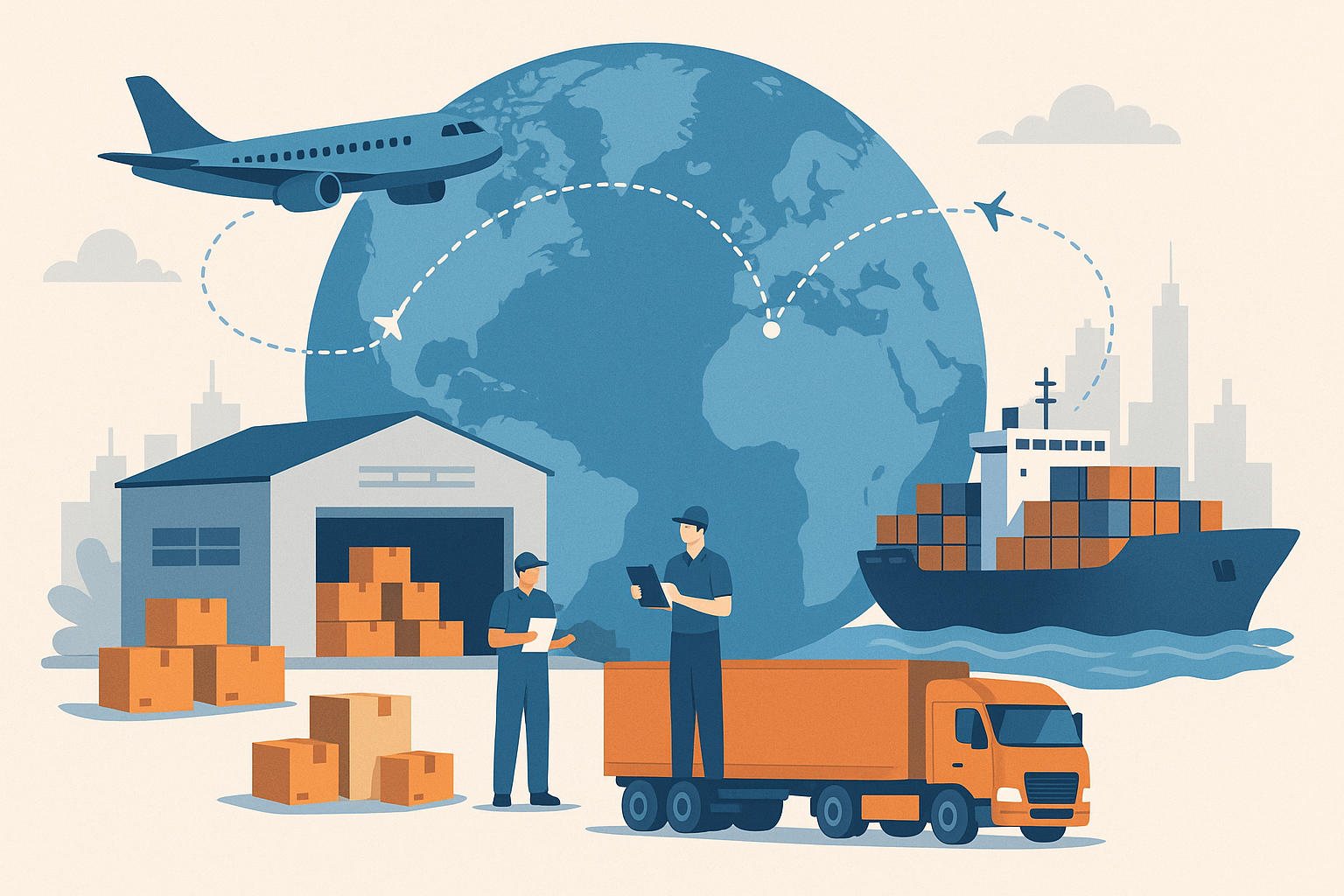
19th of June 2025 Intercultural Communication Amsterdam University of Applied Sciences Our case model explores how Hofstede dimensions appear in daily work within an international

Read »